Mistreatment of Entry-Level Workers in the Fashion Industry
If you’ve been applying for jobs recently, you’ve noticed how bad the job market is right now. People are desperate for work, and they are willing to do anything they can to find it, but also to keep those jobs. Creating a perpetuation of mistreatment for newer employees, particularly in fashion.
Picture from Pinterest (collage by Swielgasiewicz)
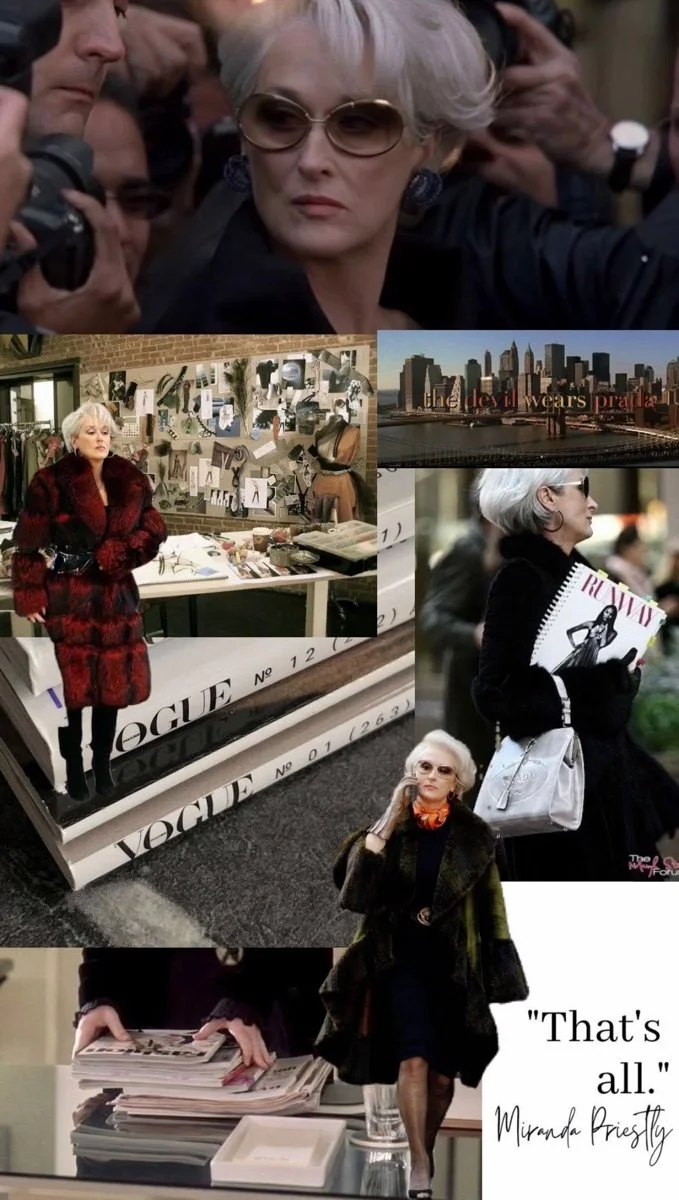
The fashion industry has always been known for having quite a few executive-zillas. The Devil Wears Prada had to be inspired by something. Still, recently, many higher ups have taken this kind of behavior too far by exploiting the desperate situation that many entry level workers are in right now. Not only are they having a difficult time incorporating themselves into the fashion industry, but they’re also dealing with one of the worst job markets we’ve seen in a long time.
Picture from Pinterest (Muse Noir)
I love fashion, and I love the industry, but that doesn’t mean it is a perfect system. We can be better, but we must first acknowledge and address what needs fixing.
I spoke with a recent graduate from New York University, someone I worked with during Fall Fashion Week. While she wishes to remain anonymous, she was willing to go in depth about her experiences as an assistant for a prominent fashion PR firm. She had opened up to me about her mistreatment prior to this conversation, and I asked if she’d be willing to sit down and talk to me about it in an official interview. We first discussed the kind of work she was assigned to do, her qualifications, and the false allegations and abuse of power.

Picture from Pinterest (Sara-Catherine)
Here are excerpts from our hour-long conversation for you to better understand the issues within the fashion industry. The person has remained anonymous for privacy.
Do you mind describing what kind of company you worked for?
I worked for a PR consulting agency. And that basically means that we, our company, would represent brands. And because we were specifically fashion, we represented fashion brands that were premium to luxury, but also, like accessories, there were some, … beauty products before. That was before I got there. So they would hire us to do things, like if it were Fashion Week, maybe we would help put on their show. We weren’t a production team, so we're not setting up a stage or whatever, nothing like that. But we would do things like create a guest list and use our connections to invite important people, relevant people. Maybe they're influencers, maybe they're celebrities, maybe they're journalists, all kind of depending on the event. Our job is to know what works, like, who's going to align with the brand, who's interested in the brand, who's going to create buzz about it, who's going to write about it… So maybe we'll throw a party, invite people, share guest lists. We called ourselves gatekeepers. So it was important that we had all these contacts. Our clients could never have those email addresses because then they wouldn't need us anymore, you know? So our network is really one of the main resources of working PR. The third leg of what we did, which was really important, was we pitched media about the brands that we had, so we would write up things that, if it was the holidays, we would write up pitches about these brands to say, ‘you should include this brand on your holiday gift guide’ or like, 50 best sweaters for mom this Christmas kind of thing and you would send that to, all these publications to get written about. And we do that for events as well, so they would write about the events.
What kind of position did you hold in all of this?
I was a team assistant. My company was very small. It was the founder and director, then the communications director. And when I say founder and director, I mean that she is one person. And then the communications director, and the showroom coordinator. When I first started, we had about four to five interns, and when I left, we had one. That was the whole team.
Did these interns choose to leave or were they fired?
They all quit.
And you were about to quit too, right?
Yes, I was about to. I was fired before I quit, which was really annoying. It was the Friday going into the week before Christmas.

Picture from Pinterest (photographer: @shugarovapro)
Do you mind sharing some of those reasons?
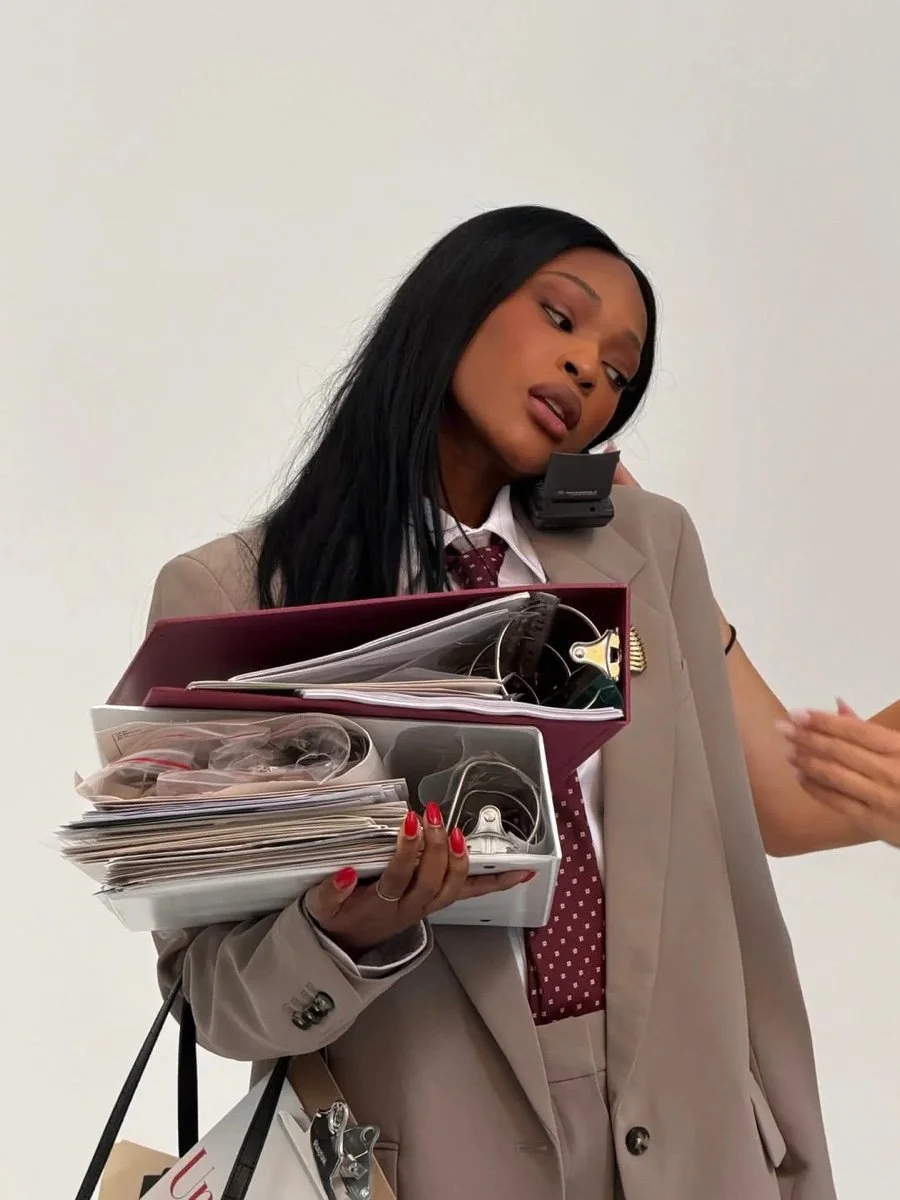
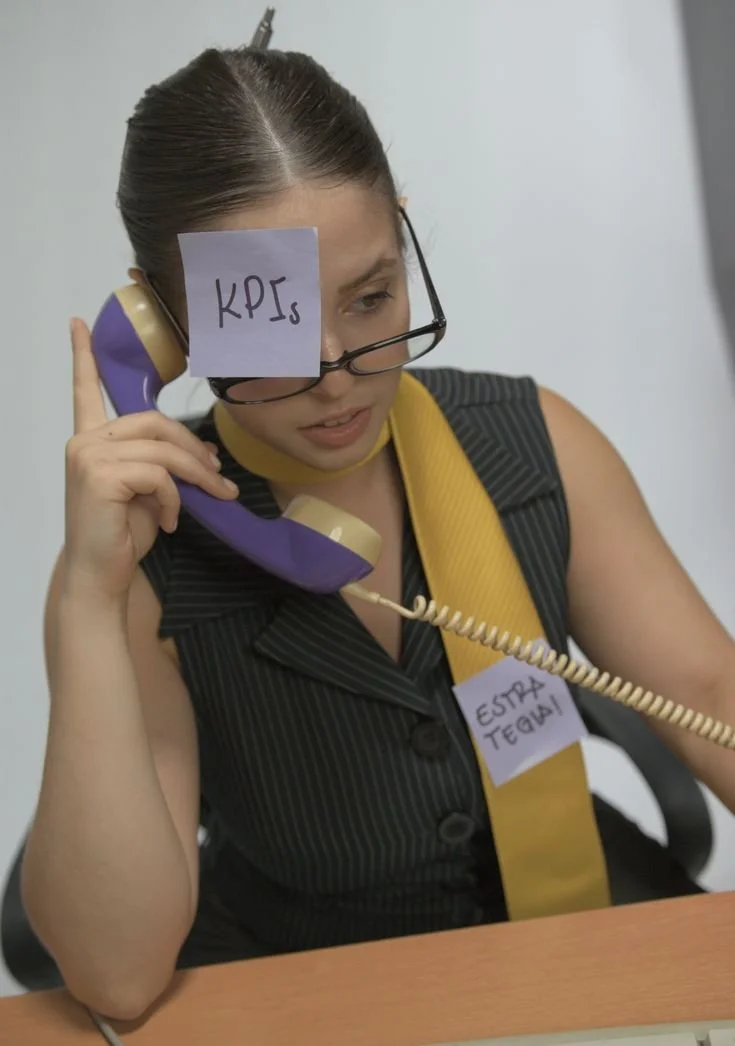
I can do that. I was the team assistant, right? So I was helping, like, I was her personal assistant, not personal, but, more closely…in the sense that I'm running her schedule. I'm kind of her front man on communications for setting up these lunches that she goes on a lot and kind of coordinating her schedule. But I assisted the team, I mean, I helped with everything. Like all of the projects and the responsibilities of the communications director and of the showroom coordinator, I was handling tasks for them as well. So I had a lot on my plate and there was not much relief in the help that I would get. Because, I mean, we were small, we were slammed, and there were a lot of unrealistic expectations of what I could complete in the time frame that would be provided to me. So basically, I worked a lot of very late nights. And so, some reasons that she cited for firing me were things like clerical errors. Like, I'd have my occasional mistake, like, putting something on the calendar for next Monday instead of two Mondays from now, which I'm guilty of. I did, a couple of times. But in that situation, I was overworked. So that's something that definitely contributed to the little mistakes that I would make. They were, I believe, a huge result of me being very overworked and also really anxious constantly because of how I would be treated. So it would be really hard to really get into the details of something because at all times, everything was late and I'm also getting assigned more stuff. She had a rule, you should be checking your inbox every 30 minutes, like that kind of thing. She also said things like my poor quality of work caused the founder and director to work extended hours in the office. Which she was not, that was not true. She said she actually blamed me for losing a client. And as far as I know, we did not lose a client. And if we did, it wasn't my fault. I believe what she meant by that was that we had a client who wasn't on retainer. So we were just doing project-based things for them, and she wanted to have them on retainer, like as a permanent client. And I think they ultimately decided they didn't want that. It was a very large brand. So, they had, and it was based in Canada; they had their own in-house PR. They were just launching a new collection and it was based in New York. So it was for this collection, for this launch, for this event, they wanted local PR, especially people local to the area, where we have our connections to the local scene that they need for the event. Which is completely understandable, but also not necessarily, I think, necessary to have on retainer year round, because they're not based in New York. So I think they ultimately decided not to keep us on retainer. And that's what she meant by I lost to them a client. I think. I also don't know how that was my fault, but that was one of the things, which was a really huge accusation. She fired me over email, by the way. Obviously, I was really happy to be out of there. Especially because I wanted to quit. When I first started, I was kind of realizing how it was going to be. I was like, okay, you have to stick it out for a year. And then time went on and it was crazy. And I was like, I don't know how much longer I can do this. You have to at least stick it out for six months. And then I got to a place where I was like, wow, I'm so miserable right now. I want to quit so bad, maybe after the new year, after the holidays or something like that. But then I was really starting to get the sense that she was gonna fire me. And I was like, I might as well quit before I get fired. I mean, I still wouldn't have a reference and the whole resume of it all stressed me out, I was only there for a little over two months. And obviously, you have to explain it on your resume that you don't have that reference. I was waiting to speak with her in person about it. She was kind of avoiding the office. She canceled all of our standing meetings. She would come into the office building, but not our actual office where we were based. So I never got the chance to speak with her in person to quit. And then she fired me.
Picture from Pinterest
Can you describe some of the past roles you've been in? Do you feel as if you were qualified for this job?
Yeah, so basically, my first internship in fashion, I worked for a wholesale agency. I would dress models to represent the brands and then buyers would come view the clothes to see what they wanted to buy for the store. That was really fun. I loved doing that. That was only a week long thing because they come during fashion week. My next internship was at an advertising agency, not fashion-related, just advertising. I interned there for a summer. Lots of pitches for pitching our services to potential brands, scanning what's out there in media, in culture that could be relevant, like advertising trends. I sent a lot of email blasts. I also helped them with their social media, but that was also a small agency, so it wasn't anything crazy serious. Then I worked at MTV Studios, so I worked for Paramount, but I worked in the MTV leg. And that was also not fashion-related. That was marketing, but specifically experiential marketing, which, I mean, it was basically like, it goes right into PR. That was also a really cool internship. I just worked there for a semester, and I got to do very similar stuff in the sense that you're scanning trends in culture for advertising. I did News of the Week reports, I looked for relevant people to do the things we were doing. It had a lot to do with their TV shows that they were putting on. So, Yellowstone was a really popular one. Paramount was hosting the Super Bowl that year, so it was busy. And there was a new season of RuPaul's Drag Race. That was cool. I interned at a magazine. That was unpaid. I've done a lot of random fashion week internships, just helping out backstage. The magazine was one of the last ones. That was just a lot of transcribing and picking up garments for the photographer, assisting on photo shoots. It was a really small magazine. The head stylist when she was off styling with photo shoots, those were the photo shoots I was helping out on, and I kind of became familiar with PR through that because as a stylist, you are borrowing all these luxury clothes from PR houses. Sometimes, brands like Louis Vuitton, they do PR in-house, obviously, because they're huge. But other brands might have a representative. So I kind of learned that discipline through there, like loaning out those garments, having to return them, pick them up, how it worked, what that contract kind of entailed. So I guess my last job was just being on the other end of that. Like, I was the one loaning out the garments instead of borrowing them. Yeah, so it all kind of played into that. And then just my other experience as a student was really important because I had to be a good writer and there was just a lot of scheduling, and I had to be a good writer for these pitches that kind of things. Unfortunately, really anybody could do it. You didn't have to study fashion, it would definitely help to be kind of culturally tapped in. So, yeah, I could have done my job. A lot of people could have done my job. But unfortunately the problem was that the culture of the company was very poor. There was just a lot of mistreatment and just horrific emotional abuse. Everybody from all points was very mean. They just kind of wanted perfection without fostering that. A no mistakes atmosphere that was kind of impossible. My very first week working there was during Fashion Week. So it was like an insane time in general. I didn't really get properly trained during that. They just needed all hands on deck to help…. It wasn't a very good way to start. Whenever I felt like I was struggling, we had weekly meetings, and I would bring up in those meetings that I was struggling, I'd ask for help. Honestly, I loved my boss to start. When she hired me, I thought she was amazing. I had so much respect for her. And even my first month working there, I was still, like, okay, she kind of has a lot of really difficult expectations, but I'm still learning. So once I get better and faster, it'll die down, and once Fashion Week dies down, it'll be fun. And it never really went away, and it never got easier. The work never really lightened. It would always really pile up. And I would say that I am struggling with a lot of the tasks being assigned to me. And it wasn't that each task was hard. It's just that each thing can be very time-consuming. And I was new, so, I was getting faster at these things, but in general, they do just take a while. So I would have multiple very time consuming tasks asked to be done in a couple hour time frame that I was like, I unfortunately, I can't do this. I feel like I'm falling short of your expectations and I don't want to. I want you to know that I'm trying really hard, but it's a lot. And she would make me feel better at first. She kind of found a way to soothe me with her words, and then I would get back into it and I was like, wait, that didn't actually solve anything, because nothing actually changed. So it was kind of, like, a really vicious cycle that I was in, and nothing would change, and it was never going to work, and then the culture was so bad and the expectations of my time and the hours that I would work. I was there until 1:00 in the morning during fashion week.

Picture from Pinterest (Mowe Studios)
Were they compensating you extra?
During fashion week, I was still part-time, so I was hourly, so yes. But once my contract started, officially, and I was there as a full-time worker, I did not get paid overtime. And I worked a lot of overtime. And sometimes on the weekends, if there's an event, or there's a party. And that is fine, but it's the regular weekdays where you're in the office until 9 o'clock is when it's like, okay, like this is not normal. This is not what should be happening.
What were your expectations going into this job?
It was definitely really upsetting how excited I was for the job. Knowing that I could very much do it, and how much I wanted a job and I had so much respect for the girl who hired me. Just kind of finding out it was very much like, she'll kind of, say anything. She's a very big talker. She talks big and she’s huge on name-dropping. She loves name dropping. She loves the status. And that's PR. It inherently has to be. But it just kind of didn't stop there, to the core, she didn't really care about anything other than the success of the business, which is fair, she was a hustler. And there's a huge hustle culture in fashion. And, just kind of, put your head down and do the b**** work for however long you have to do it. Like, Devil wears Prada. You watch it one time, and you think you have to be Miranda Priestley. You don't have to adopt that personality. You don't have to be so mean. So that was very disappointing. I was just dissatisfied with the culture of the industry in general, but it wasn't necessarily something that I didn't expect. Like, I knew fashion was like this. I knew people could be like that, but it sucks that it was to the extent that it was.
Picture from Pinterest (tanya)
Have you experienced any of these kinds of issues in past fashion jobs?
I've definitely had crazy bosses. When I worked for the magazine, she was pretty crazy. But I was just an intern and I was an unpaid intern. I mean, she'd ask a lot of us. I hated the job, but it was annoying more than it was upsetting. Whereas my actual job was upsetting. Like, one time I left my bag in her car. She dropped me off somewhere, but I didn't know that she was dropping me off. I thought I was just dropping something off and then getting back in the car, but she drove away with my bag. And it was like, my wallet, my house keys, my computer for school, because I'm still in school at this point, my notebooks. I had a test that week for a class where computers weren't allowed, so you only had handwritten notes. So all of my notes for that class were in there, and she drove away with my bag to Long Island, where she lived. I called her, and I was like, hey, like, you left, I just really need the bag. I didn't know that you were driving away. And she was like, you didn't ask. I was like, why would I ask? She was like, “This is a really great example of times when you have to ask questions.” It was very strange. So she refused to turn around. My parents were coming to visit that weekend, and I was supposed to get dinner with them, and she was like, “All right, well, you can take the train to Long Island to come get your bag.” And this was, by the way, she was like 15 minutes into this drive. She could have turned around. I'm like, okay, I guess I have to do what I have to do, but I only have two days with my parents, and I'm going to miss that, and they don't visit me often. So it was just a wild thing. And it was always stuff like that.
Do you see this as specifically a fashion issue? Or does the environment of New York play a role?
I definitely think the fact that it's New York plays into the idea because, I mean, if you want to be in fashion, you come to New York. It's hard to do it in very many other places. There are other cities, and there are other ways to do it. But obviously it's a huge cultural thing. It's just kind of what you think of. It's in every movie, it's in every book. It's what you learn, which I think for a lot of people plays up the idea of it. That’s how they view the whole industry or how they think that they have to act. It's like a lifetime worth of media playing into that. And a lot of it's true. But a lot of it is avoidable and maybe a little self-manufactured by people. There's definitely a hustle culture for anything in New York. If you're in finance or you're in banking, it's a whole other world, too. I know there can be really poor cultures there and it's very competitive with how late you stay in the office and all that stuff. But that's not really my world. And at a certain point, you definitely expect it. You're an intern. You're very low in the food chain. You're going to have some bad experiences. And you're going to do a lot of b**** work. That's not the problem. I knew I was going to work sh**** hours, I knew that I was going to be paid horribly, but there is a point at which it's not just working your way up in the world. There's a point where it turns into an unacceptable environment to live in. I mean I was having panic attacks on the clock. I cried at my coworkers. I'd have a panic attack every Sunday night and when I went home for Thanksgiving, I was just never at peace. My phone was never off limits because they would email me on the weekends and my boss would be up at two in the morning and she's emailing me, like that kind of thing. She couldn't keep people to fill in my position. There's a reason they needed to hire me. Their last assistant quit, and all the other ones before that. And it's such a small company, too, that there's no HR department. There's nobody I can go to, there's nobody I can report a problem to who wasn't the cause of my problems. And we were drowning so much because all of our interns quit, and the interns were unpaid, which, of course, is also standard, even though in New York it’s illegal not to pay interns, but it's so easy to get around that. All you have to do is give them school credit for it, and that counts. And they don’t even have to take it. But yeah, like when you and I were working together, having unpaid interns and expecting them to have such passion and just want to do well for those long shifts working into the night, not knowing when you'll be released. I mean, that's part of it. It's just how it works, and that's what it demands. And fashion is crazy because it intersects arts with live performances, with consumption, with business. It's very hard. So, I'm not saying that it’s wrong. I'm definitely just saying it's a unique way to enter into the professional realm. I guess not even unique. It's just like something that we kind of accept. But it just has to stop at some point.